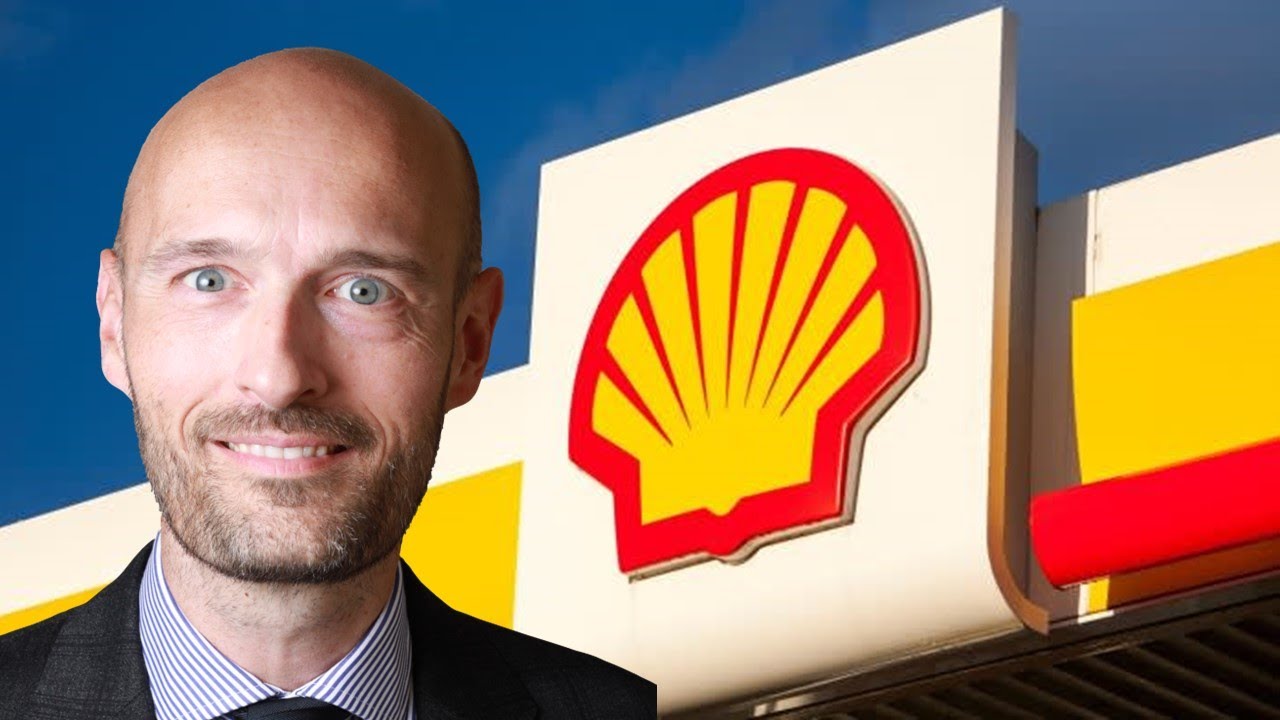
Shell's Fake Carbon Credit Scandal Explained!
Source: YouTube · Patrick Boyle · published May 11, 2024 · 29:29
Shell was accused of selling millions of carbon credits for CO₂ removal that never took place, highlighting fundamental flaws in carbon offset markets that often lack proper verification and environmental benefit. 0:00-0:05
Key Takeaways:
• Carbon offsets emerged in 1989 as a way for businesses to pay for environmental projects instead of reducing their own emissions, but questions about their effectiveness persist. 0:51-2:24
• Shell's Quest Carbon Capture project in Alberta received government subsidies allowing them to sell twice as many credits as CO₂ actually captured, creating "phantom credits" worth over $200 million. 6:53-7:43
• Many carbon credit projects like the Zimbabwe forest protection initiative and Koppal cookstove project in India failed to deliver promised environmental benefits despite generating and selling credits. 11:12-20:07
• Carbon capture costs ($168 per ton at Shell's facility) typically exceed credit prices ($50 per ton), making the industry commercially unviable without substantial subsidies that undermine environmental integrity. 9:36-10:34
The fundamental issues with carbon markets suggest they may be too difficult to fix, serving as a license to pollute while often failing to achieve genuine emissions reductions. 26:53-27:06
Sources:
- 0:00-0:05 Greenpeace Canada accuses Shell of selling fraudulent carbon credits
- 0:51-2:24 History and concept of carbon offsets
- 6:53-7:43 Shell's phantom carbon credits scandal
- 9:36-10:34(https://www.youtube.com/wat
Generate CPE Credits
Generate a professional CPE document from this video's transcript.
Estimated credit: 0.5 CPE hours
Estimate uses the video runtime (1 hour ≈ 1 CPE, rounded to the nearest 0.5, minimum 0.5, maximum 2.0). The final amount can be lower after review, never higher.
Topic: Compliance & GRC. Commonly maps to: Security and Risk Management, Asset Security. Exact CISSP domains are assigned during generation.
Free account. One generation at a time, with a daily limit.
CPEBuddy is independent and not affiliated with or endorsed by ISC2, ISACA, or any certification body. Exports are formatted for common CPE submissions; acceptance is at your certification body's discretion.
Transcript Preview
First 800 characters of the transcript
Europe’s largest oil and gas company Shell was
accused in an investigative report from Greenpeace Canada of selling millions of carbon credits
tied to CO₂ removal that never took place. Carbon offsets are tradable certificates linked
to projects or activities that lower the amount of CO2 in the atmosphere. Each credit is supposed to
represent one ton of Carbon that has been removed. The idea is that by buying these certificates, an
individual or a business can fund projects that reduce atmospheric CO2, and they do this to offset
their own carbon emissions rather than cutting back themselves. The certificates “offset” the
buyer’s CO2 emissions by paying someone else to reduce the amount of CO2 being released. The idea
is that the polluter pays, and the cleaner earns. The idea of off…