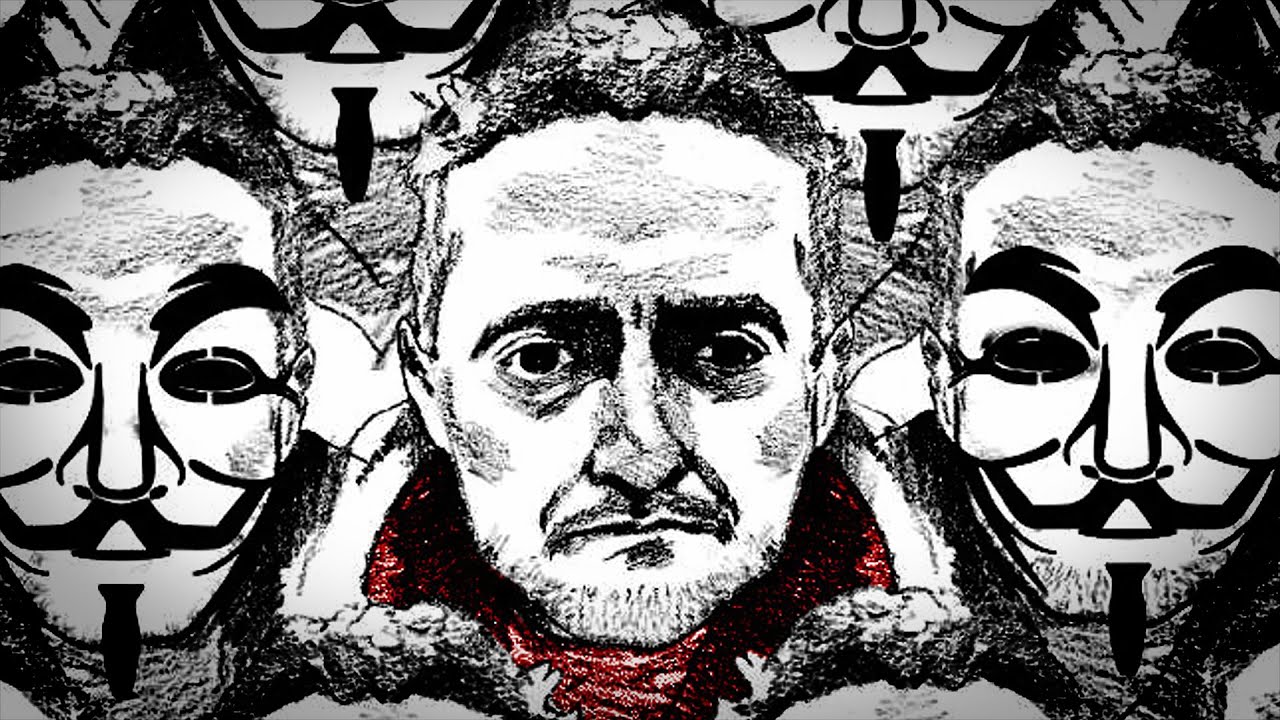
Why an Innocent Man Confessed to Medical Extortion Hacking🎙Darknet Diaries Ep. 25: Alberto
Source: YouTube · Jack Rhysider · published May 26, 2022 · 38:21
The video details a significant 2017 cyberattack on a Uruguayan medical provider in Montevideo where hackers stole patient records and demanded Bitcoin ransom 0:24-0:45.
Key Takeaways:
• The story is set in Uruguay, a small South American country about the size of Missouri 0:13-0:18
• In February 2017, hackers breached a major medical provider's website and accessed their database 0:24-0:31
• The attackers stole a substantial amount of patient records and demanded 15 Bitcoin as ransom payment 0:36-0:45
This incident highlights the growing threat of ransomware attacks targeting healthcare institutions and sensitive medical data worldwide.
Sources:
Generate CPE Credits
Generate a professional CPE document from this video's transcript.
Estimated credit: 0.5 CPE hours
Estimate uses the video runtime (1 hour ≈ 1 CPE, rounded to the nearest 0.5, minimum 0.5, maximum 2.0). The final amount can be lower after review, never higher.
Topic: Cybersecurity. Commonly maps to: Security and Risk Management, Security Operations. Exact CISSP domains are assigned during generation.
Free account. One generation at a time, with a daily limit.
CPEBuddy is independent and not affiliated with or endorsed by ISC2, ISACA, or any certification body. Exports are formatted for common CPE submissions; acceptance is at your certification body's discretion.
Transcript Preview
First 800 characters of the transcript
JACK: [MUSIC] Put on your travel shoes. For this
story we’re going south of the border. Actually, much more south than you think. Go on past Mexico,
past Panama, past the equator, even. Keep on going past Brazil and there you’ll find Uruguay. It’s
a small country about the size of the state of Missouri. In February 2017 one of the top medical
providers in the capital city of Montevideo got hacked. [MUSIC] This medical provider has a whole
network of clinics and healthcare facilities. The hacker broke in through the provider’s website,
accessed the database and took a ton of patient records. A week later the hacker sent a ransom
e-mail to the medical providers showing they had confidential data and demanded they pay fifteen
Bitcoin. If they didn’t get the Bitcoins they said they wou…